Samuel K. Grunblatt

About Me

I am an Assistant Professor in the Department of Physics and Astronomy at the University of Alabama. My research focuses on planetary archaeology and stellar astrophysics, specifically finding and understanding giant planets orbiting giant stars.

Previously, I was an Assistant Research Scientist at Johns Hopkins University (2022–2024), and a Kalbfleisch Postdoctoral Fellow at the American Museum of Natural History / Flatiron Institute (2019–2022). I received my Ph.D. in Astronomy from the Institute for Astronomy at the University of Hawaii in 2019, working with Daniel Huber and Eric Gaidos.

Research Highlights

giants Pipeline

The giants Pipeline

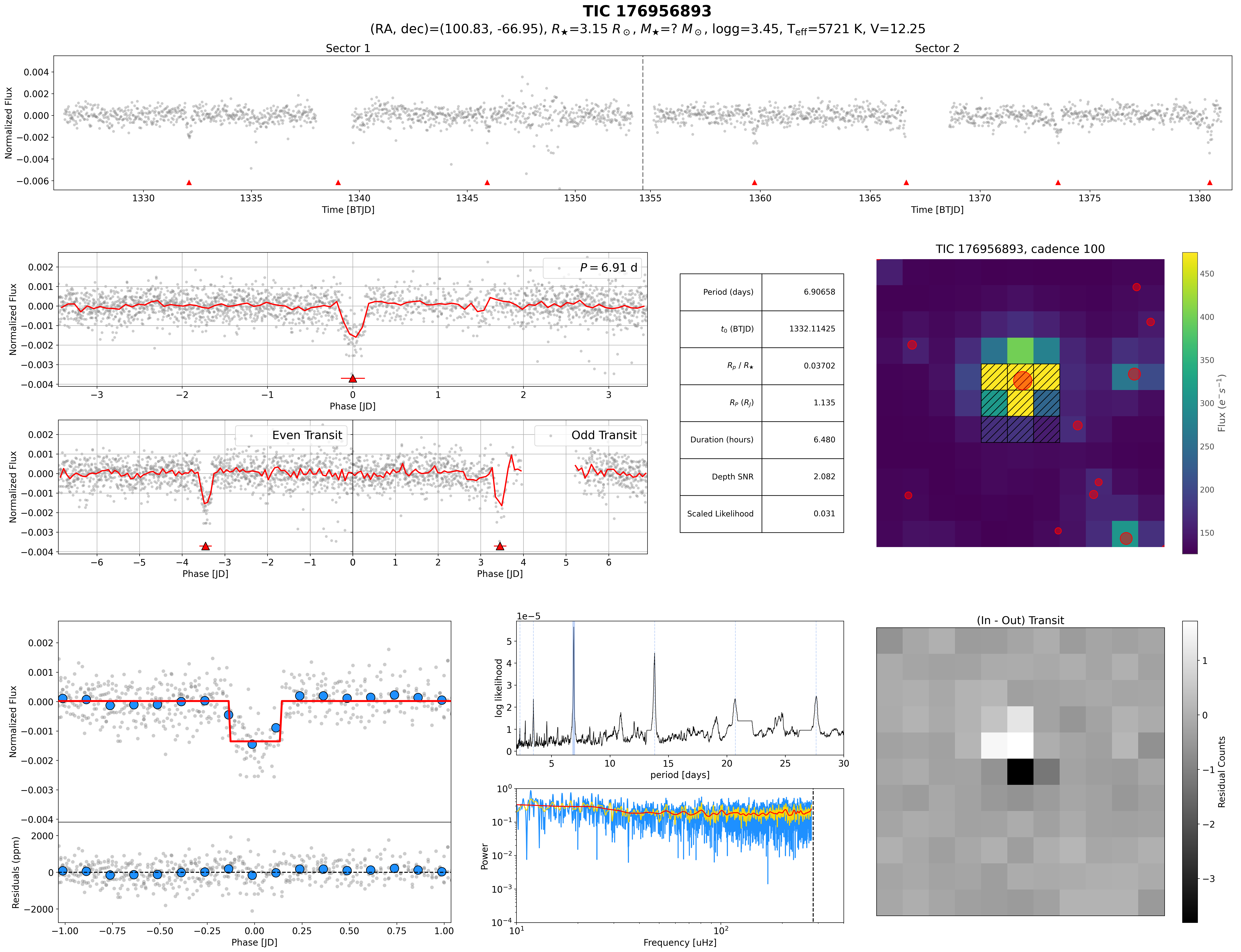
Developing open-source software for the astronomical community. The giants pipeline is designed to robustly identify and characterize transiting planets around evolved stars, standardizing lightcurve analysis and asteroseismic vetting.

Human Movement Data with hominin.ai

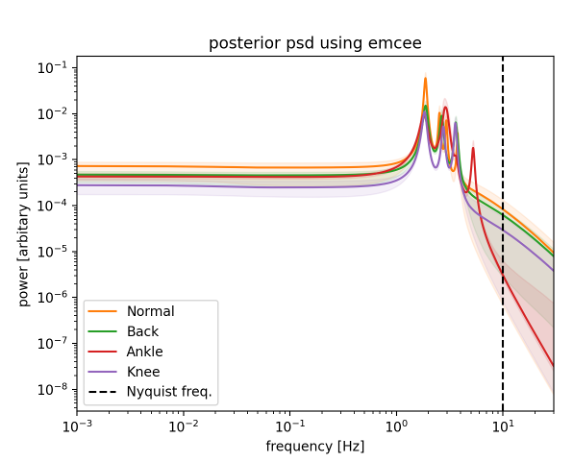
Applying astrophysical time-series analysis tools to human movement data to extract novel insights. This work is supported by NSF SBIR and a2 grants, demonstrating the cross-disciplinary power of astronomical techniques.

Hominin.ai Human Movement Analysis
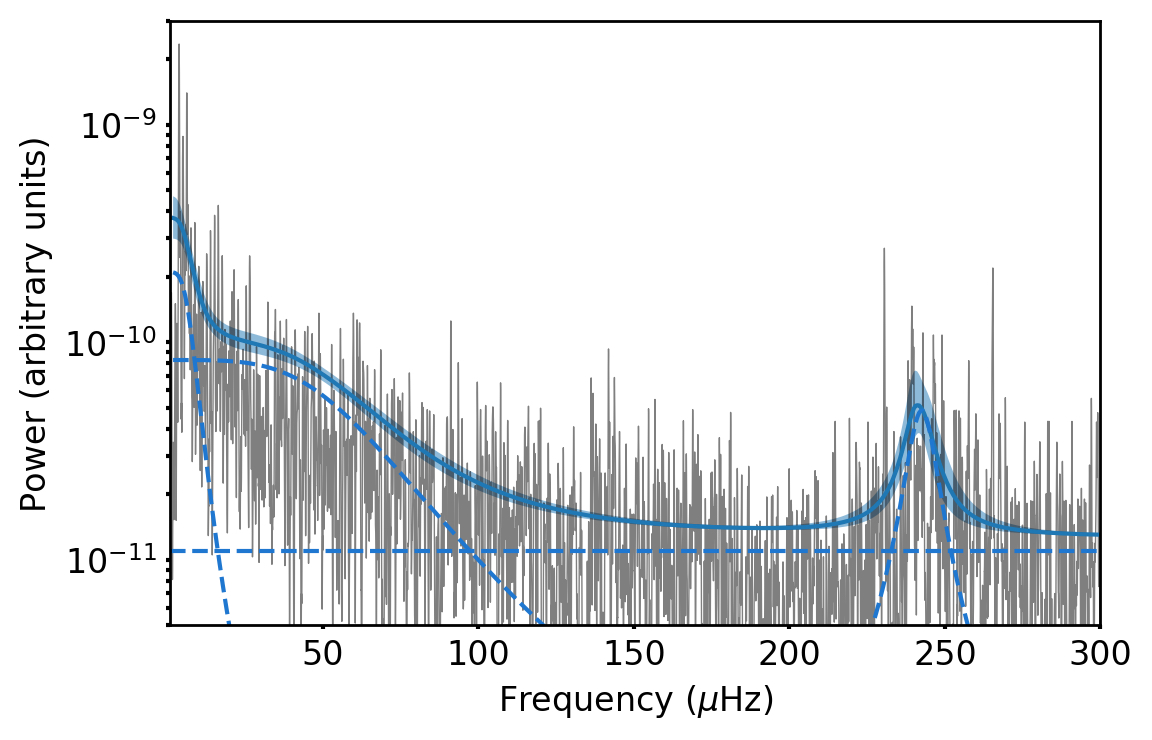
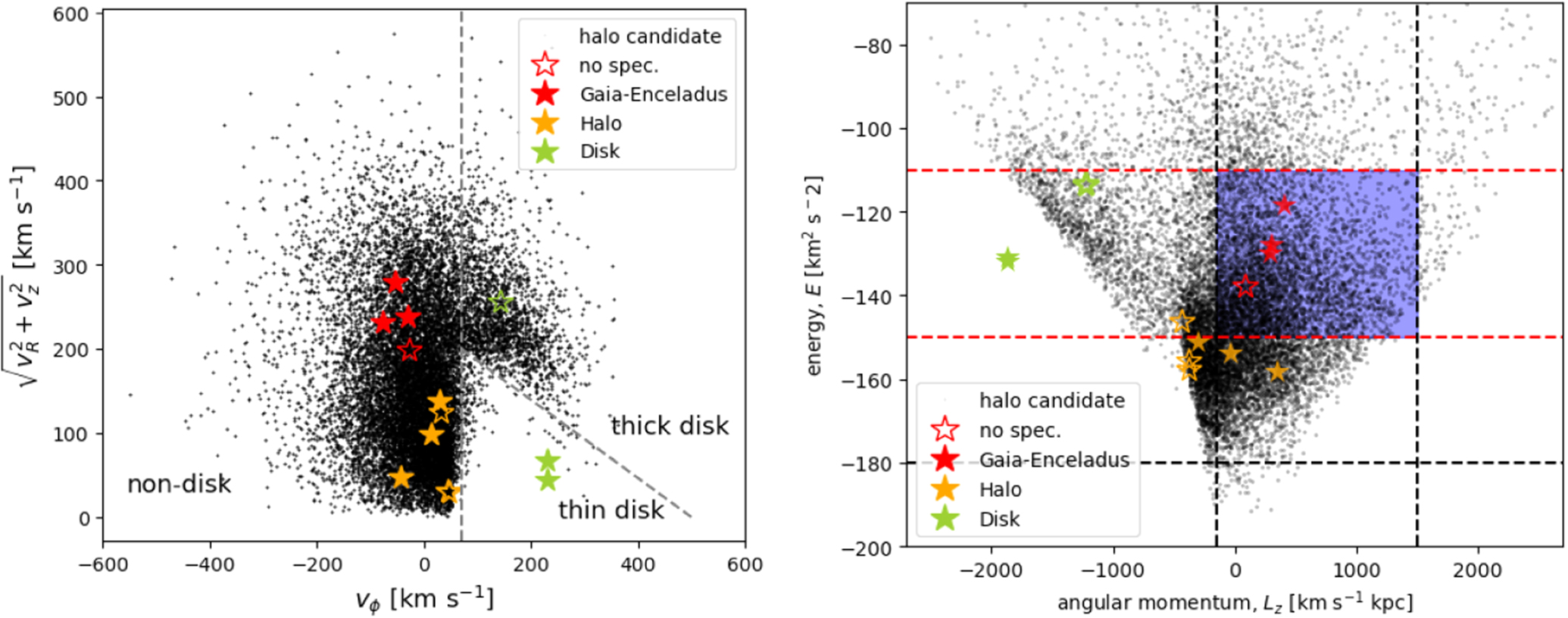
Asteroseismology and Galactic Archaeology - Figure 2 from Grunblatt et al. 2021

Asteroseismology & Galactic Archaeology

By studying the internal structure of stars through their oscillations (asteroseismology), we can trace the history and evolution of the Milky Way. This intersection of stellar astrophysics and galactic archaeology helps us precisely characterize exoplanet host stars and understand the timeline of planet formation across different galactic environments.

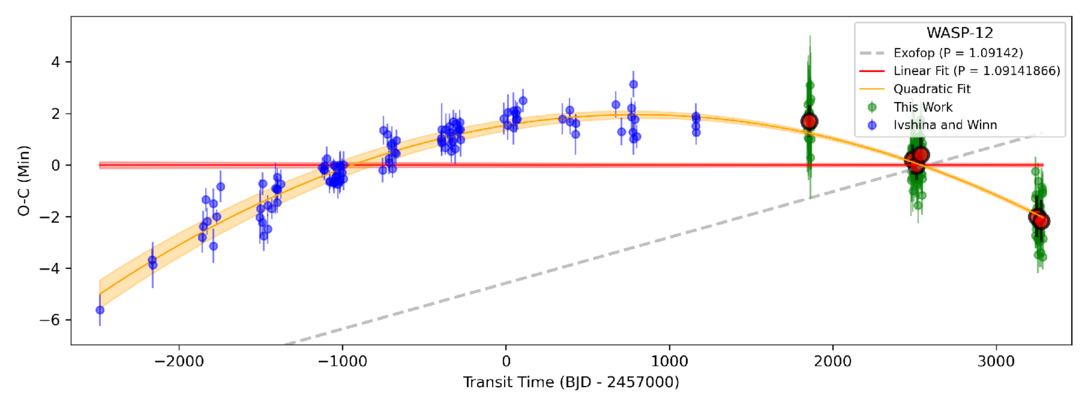
Transit Timing Analyses - Figure from Sodickson & Grunblatt 2025

Transit Timing Analyses

Our transit timing analyses provide crucial insights into the dynamics of exoplanetary systems. By precisely measuring the transit times of known planets, we can identify transit timing variations (TTVs) indicative of complex orbital architectures and ongoing orbital decay.

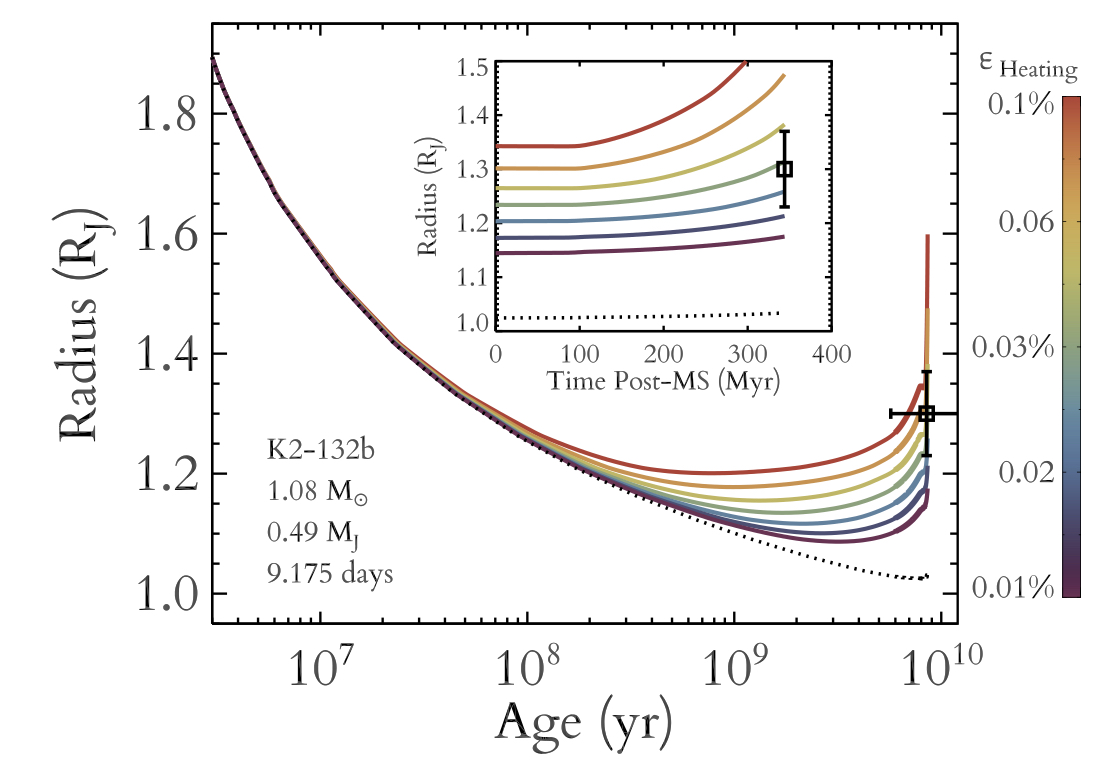
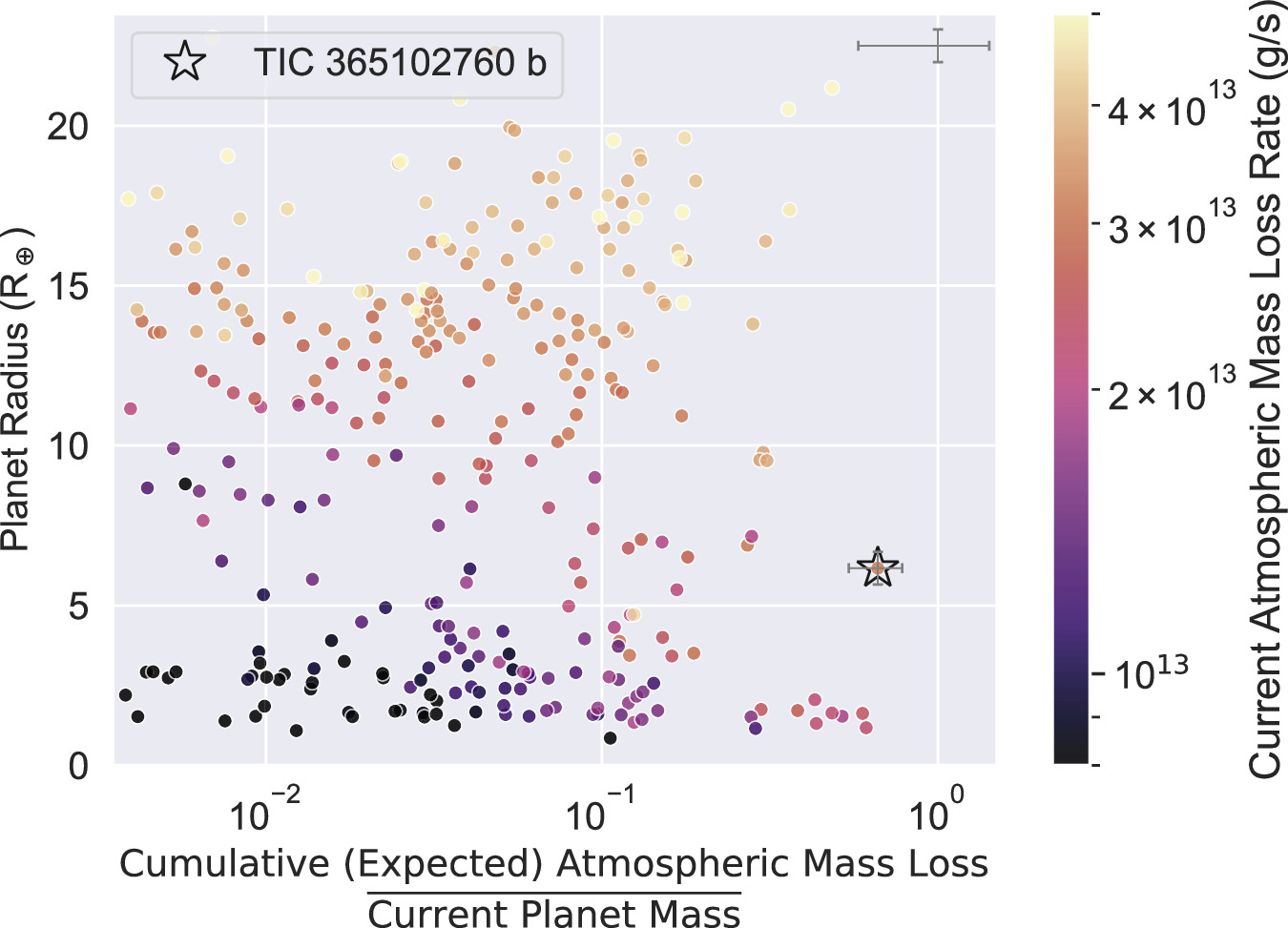
Late Stage Atmospheric Evolution

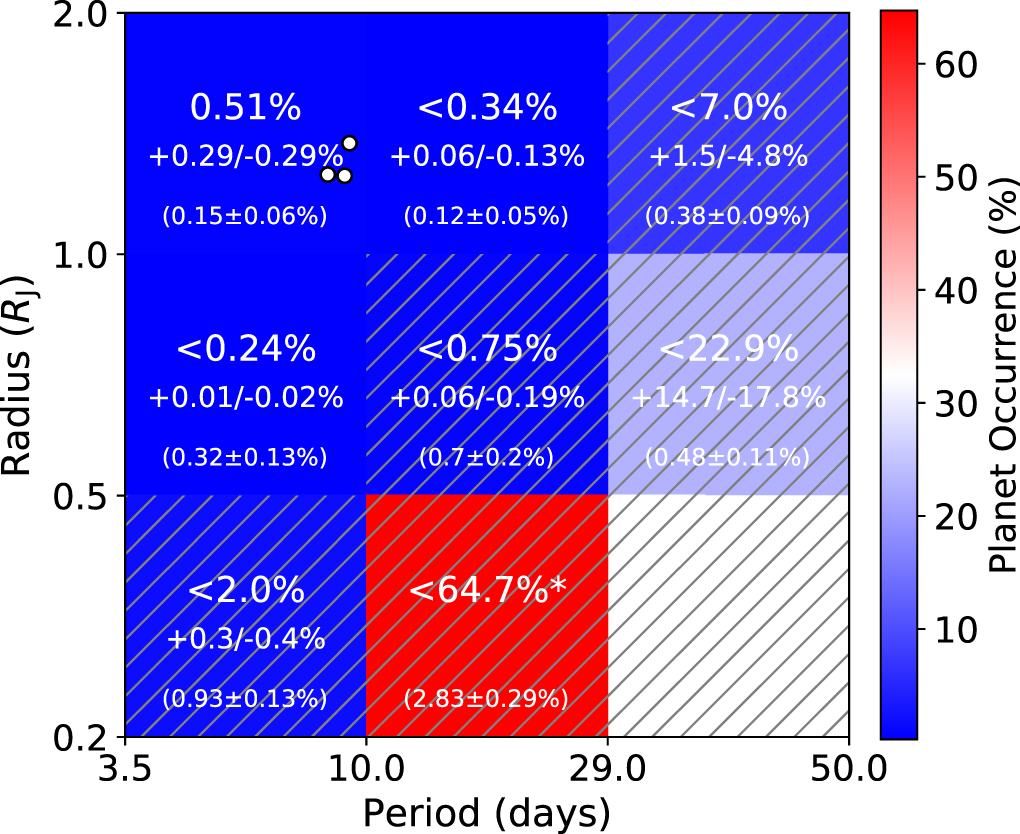
Our research explores the balance between planetary reinflation and atmospheric mass loss at late evolutionary stages. By characterizing evolved hot Neptunes orbiting giant stars, we can better understand how intense stellar irradiation affects these smaller planets as their host stars age.

Late Stage Atmospheric Evolution
Transiting Planets in Distant Environments

Transiting Planets in Distant Environments

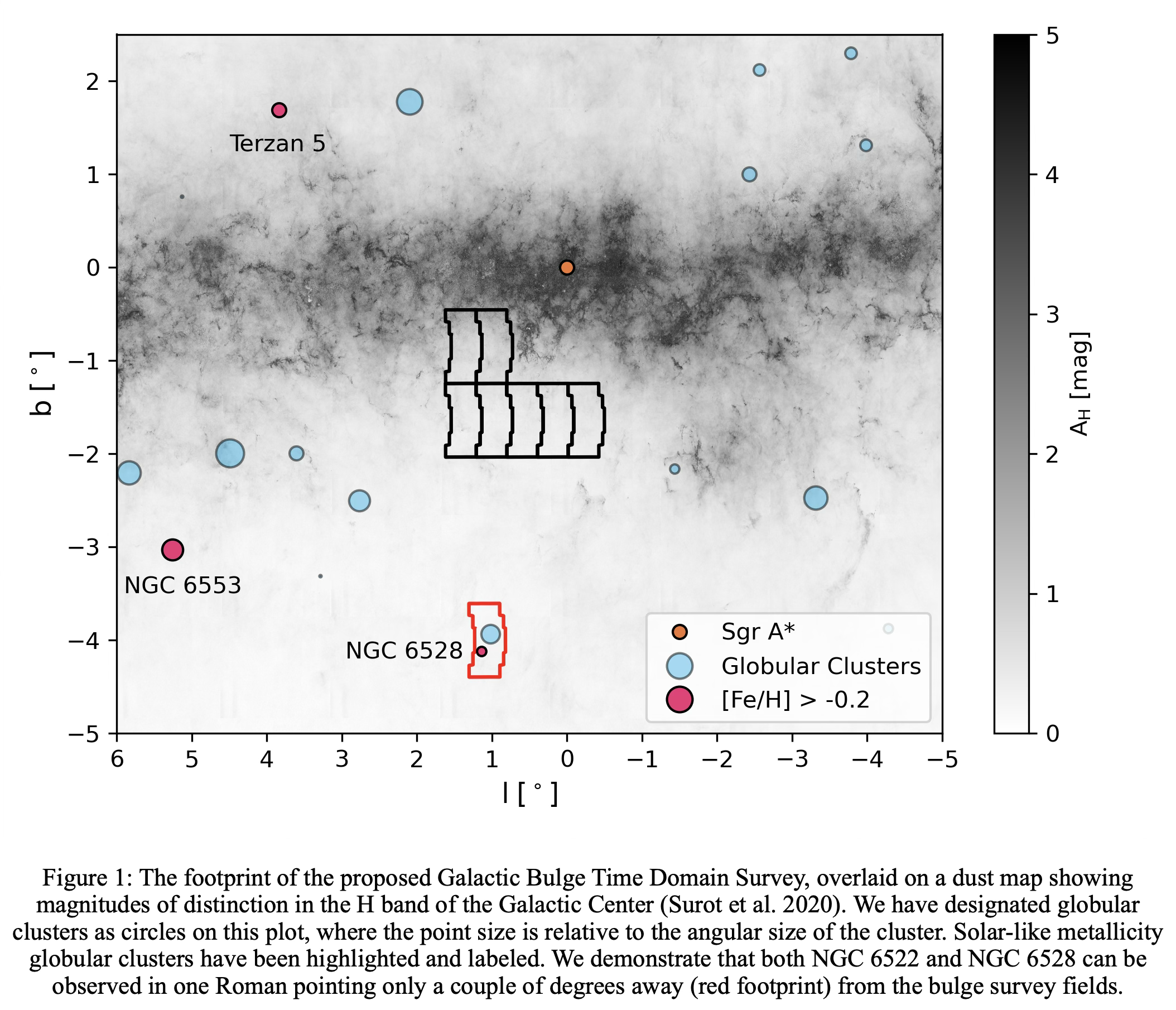
Exploring the potential of the Nancy Grace Roman Space Telescope to discover and characterize transiting exoplanets in distant galactic environments, providing crucial insights into planet formation across the Milky Way.

Eccentric Giants Orbiting Giants

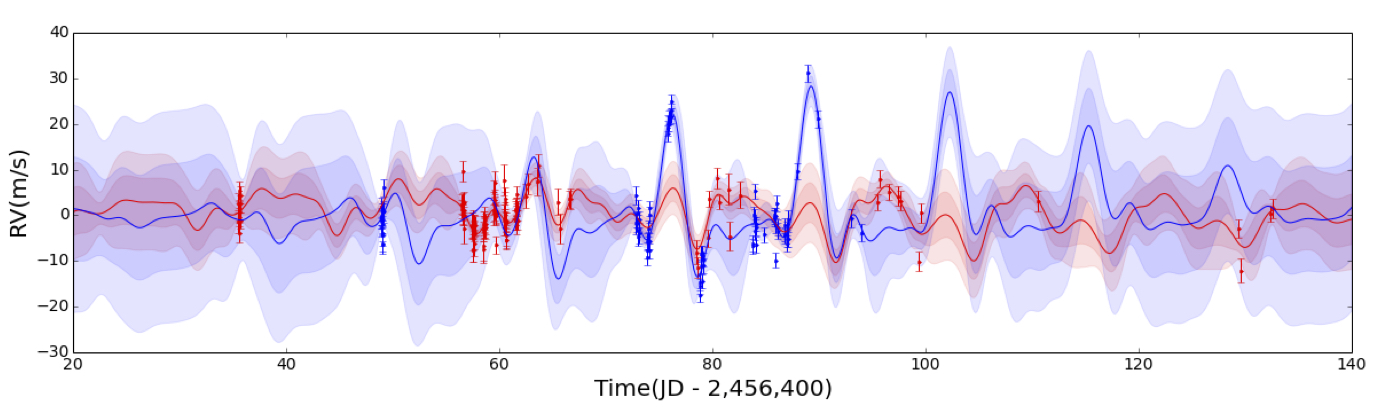
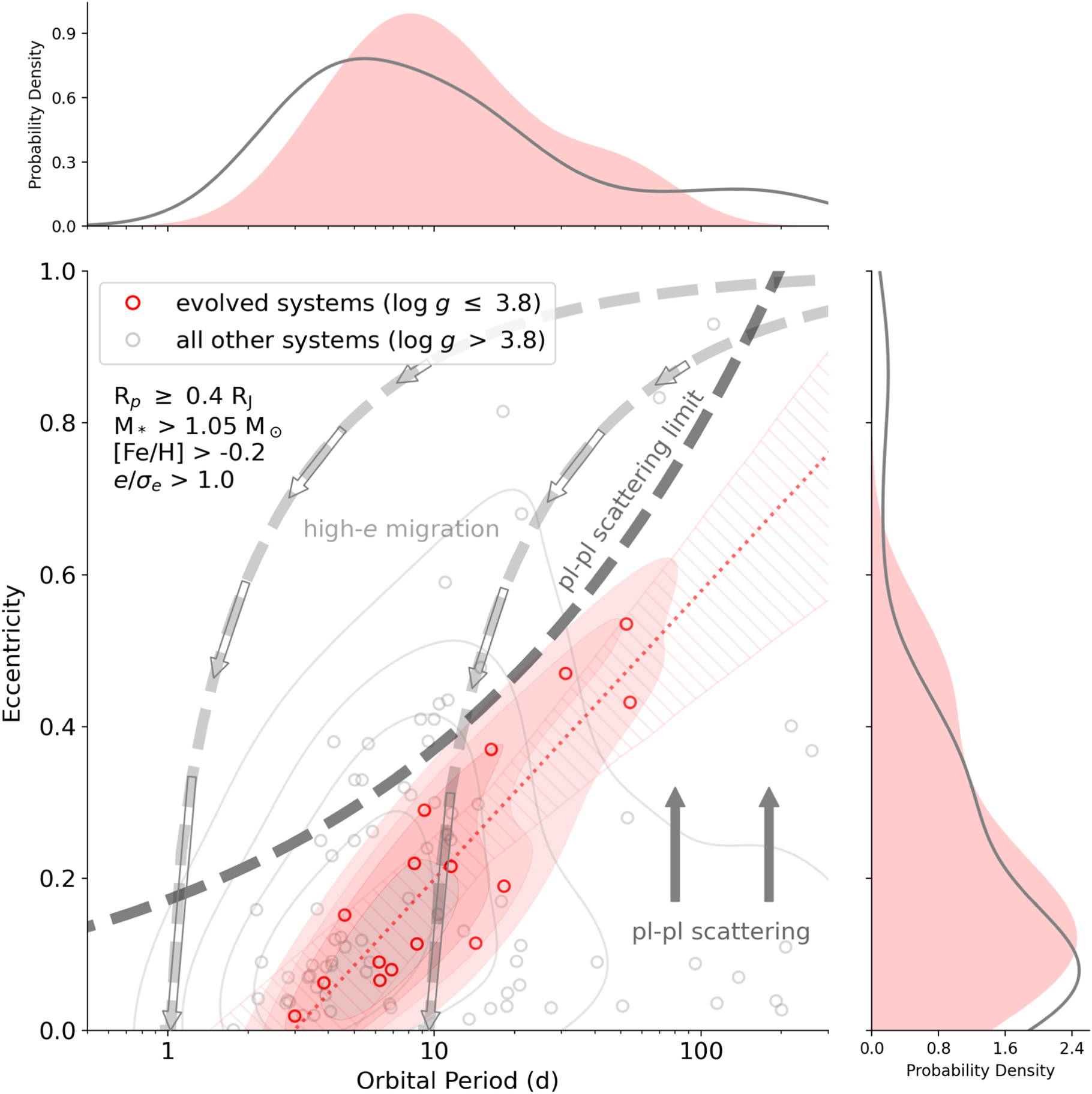
Analysis of radial velocity measurements from the Keck-I telescope revealed that both planets discovered by our survey were on moderately eccentric orbits, suggesting migration from longer period, more eccentric orbits.

Eccentric Giants Chart

Teaching & Outreach

University of Alabama Instruction

Instructor for AY 203 (Observational Astronomy) and AY 101 (Introductory Astronomy), focusing on practical observational techniques and foundational astrophysical concepts.

AY 203 Syllabus → AY 101 Syllabus →
HI-STAR Program

Mentorship (HI-STAR)

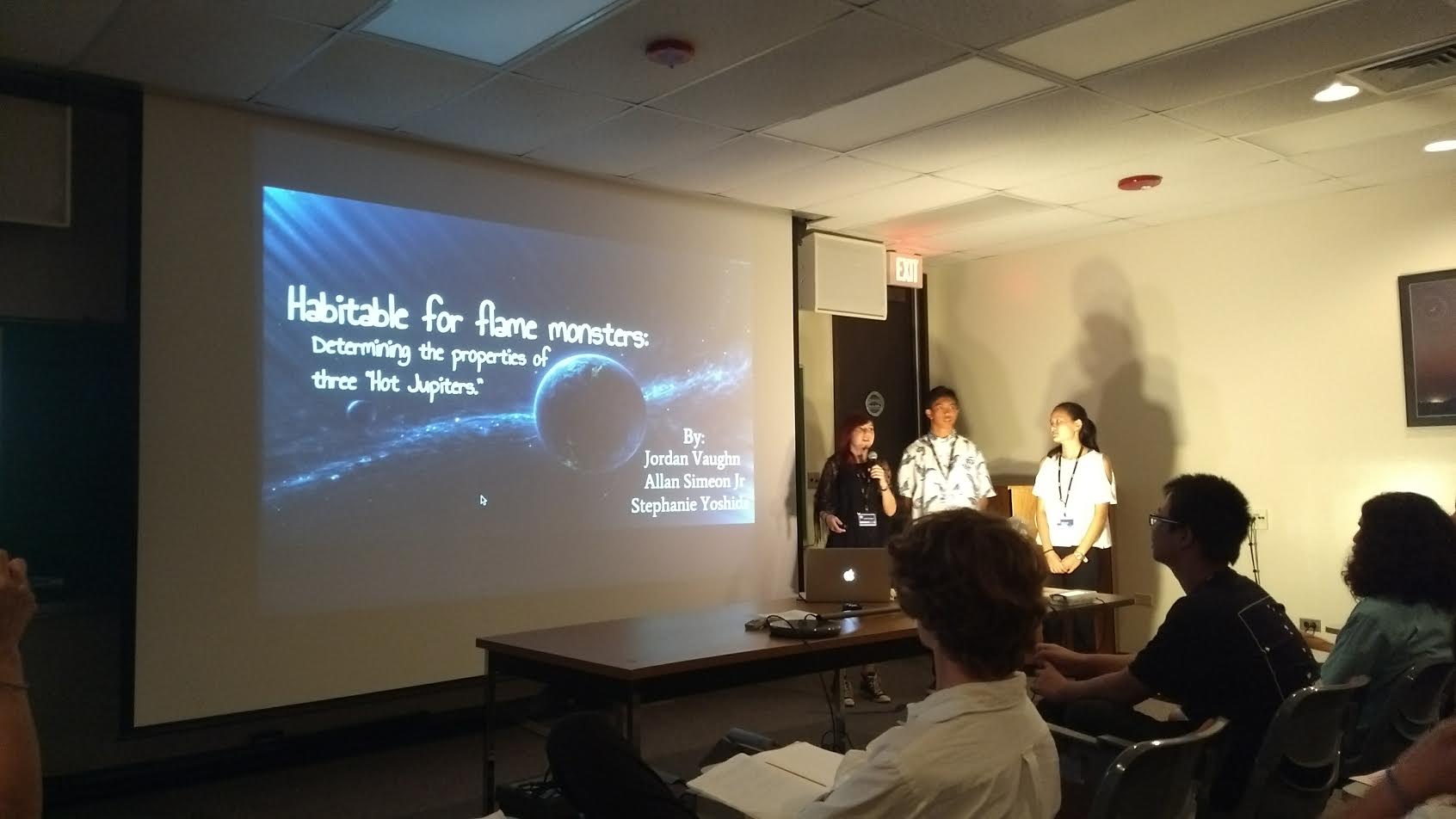
Mentored high school students on regional science fair projects. All three students made it to the state competition and are working to publish their results in professional journals.

Curriculum Design

Developed multiple lab experiments and class activities for the UH undergraduate astronomy lab class through the Professional Development Program at UC Santa Cruz (ISEE). I have also redesigned many of the labs for AY 203 at the University of Alabama following the same model.

AY 203 Lab 6 → AY 203 Lab 7 → AY 203 Lab 8 → AY 203 Lab 9 →
MDA Outreach

Community Outreach

Giving talks about exoplanets and conducting solar observing sessions at the MDA summer camp on Oahu's north shore.